
Years ago, when I was firstconsidering the self-portraits as a sequence, they called to my...
Join the conversation
Log in or create an account to leave a comment
Log In
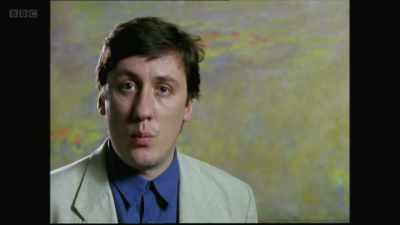
Years ago, when I was first
considering the self-portraits as a sequence, they called to my mind
forcibly the feeling that police photographs give. The self-portraits, above all, had charted his attempt
to live with himself. He failed. Actually, I think Piper's
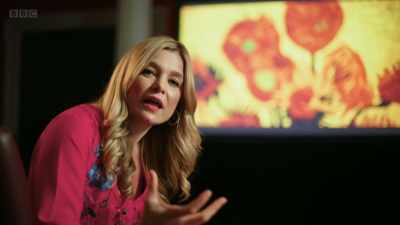
too caught up in Vincent's life to see his work clearly. It's extraordinary, like, the
narrative that people put on these paintings when they really want to
make their point about kind of doom and gloom and death and tragedy. For me, they're about honesty, about
what it feels like to be alive. I just don't read them
like that at all. But interpreting Vincent's mind
through his work has become a TV pastime. In 1994, Sister Wendy examined
one of Vincent's most famous paintings, dramatically projecting
onto it what she believed she knew of his mental state
considering the self-portraits as a sequence, they called to my mind
forcibly the feeling that police photographs give. The self-portraits, above all, had charted his attempt
to live with himself. He failed. Actually, I think Piper's
too caught up in Vincent's life to see his work clearly. It's extraordinary, like, the
narrative that people put on these paintings when they really want to
make their point about kind of doom and gloom and death and tragedy. For me, they're about honesty, about
what it feels like to be alive. I just don't read them
like that at all. But interpreting Vincent's mind
through his work has become a TV pastime. In 1994, Sister Wendy examined
one of Vincent's most famous paintings, dramatically projecting
onto it what she believed she knew of his mental state
Full Transcript
00:00:01.000 --> 00:00:04.052
Years ago, when I was first
considering the self-portraits as a
00:00:04.052 --> 00:00:09.004
sequence, they called to my mind
forcibly the feeling that police
00:00:09.004 --> 00:00:10.076
photographs give.
00:00:11.072 --> 00:00:13.024
The self-portraits, above all,
00:00:13.024 --> 00:00:16.076
had charted his attempt
to live with himself.
00:00:17.072 --> 00:00:19.052
He failed.
00:00:19.052 --> 00:00:22.092
Actually, I think Piper's
too caught up in Vincent's life
00:00:22.092 --> 00:00:24.008
to see his work clearly.
00:00:24.008 --> 00:00:27.088
It's extraordinary, like, the
narrative that people put on these
00:00:27.088 --> 00:00:30.088
paintings when they really want to
make their point about kind of doom
00:00:30.088 --> 00:00:32.072
and gloom and death and tragedy.
00:00:32.072 --> 00:00:36.002
For me, they're about honesty, about
what it feels like to be alive.
00:00:36.002 --> 00:00:38.052
I just don't read them
like that at all.
00:00:40.064 --> 00:00:44.999
But interpreting Vincent's mind
through his work has become
00:00:44.999 --> 00:00:45.064
a TV pastime.
00:00:45.064 --> 00:00:49.028
In 1994, Sister Wendy examined
one of Vincent's most famous
00:00:49.028 --> 00:00:53.998
paintings, dramatically projecting
onto it what she believed
00:00:53.998 --> 00:00:55.002
she knew of his mental state.
Want This Clip in HD?
Upgrade for HD/4K downloads and unlimited access. Upgrade now →
Movie Summary
Four young British art historians delve into six decades of the BBC archives to discover the powerful way in which television influences our understanding of the world's greatest artists.