
Join the conversation
Log in or create an account to leave a comment
Log In
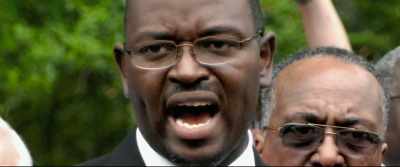
FRAZIER: Denmark Vesey
was an enslaved man who purchased his freedom
when he won a lottery. He was implicated
in a conspiracy to overthrow and kill
whites and flee... With a plan to flee
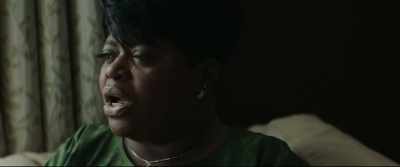
with his followers to Haiti. WOMAN: Of course,
they got caught, they were executed
very publicly. The city actually destroyed
the church. FRAZIER: When Vesey was executed,
the church was destroyed. Its members went underground, and the church did not come back
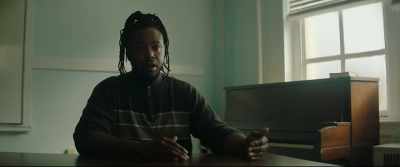
into being until after the Civil War. DENNIS DICKERSON: Now,
it's important to remember that the burning of black
churches in the Antebellum Period was not
an uncommon occurrence. Because African
American churches were symbols for whites
in the North and in the South
of black autonomy, black independence, black self-assertion
and black pride. DR. POWERS:
Whites felt threatened by the proliferation
of black churches, which they were unable
to control
was an enslaved man who purchased his freedom
when he won a lottery. He was implicated
in a conspiracy to overthrow and kill
whites and flee... With a plan to flee
with his followers to Haiti. WOMAN: Of course,
they got caught, they were executed
very publicly. The city actually destroyed
the church. FRAZIER: When Vesey was executed,
the church was destroyed. Its members went underground, and the church did not come back
into being until after the Civil War. DENNIS DICKERSON: Now,
it's important to remember that the burning of black
churches in the Antebellum Period was not
an uncommon occurrence. Because African
American churches were symbols for whites
in the North and in the South
of black autonomy, black independence, black self-assertion
and black pride. DR. POWERS:
Whites felt threatened by the proliferation
of black churches, which they were unable
to control
Full Transcript
00:00:01.000 --> 00:00:03.097
FRAZIER: Denmark Vesey
was an enslaved man
00:00:04.537 --> 00:00:07.871
who purchased his freedom
when he won a lottery.
00:00:07.941 --> 00:00:10.808
He was implicated
in a conspiracy
00:00:11.477 --> 00:00:16.108
to overthrow and kill
whites and flee...
00:00:16.182 --> 00:00:19.777
With a plan to flee
with his followers to Haiti.
00:00:19.853 --> 00:00:20.979
WOMAN: Of course,
they got caught,
00:00:21.998 --> 00:00:23.058
they were executed
very publicly.
00:00:23.656 --> 00:00:26.284
The city actually destroyed
the church.
00:00:26.359 --> 00:00:30.421
FRAZIER: When Vesey was executed,
the church was destroyed.
00:00:30.083 --> 00:00:32.073
Its members went underground,
00:00:32.799 --> 00:00:36.565
and the church did not come back
into being until after the Civil War.
00:00:36.636 --> 00:00:38.365
DENNIS DICKERSON: Now,
it's important to remember
00:00:38.438 --> 00:00:41.601
that the burning of black
churches in the Antebellum Period
00:00:41.674 --> 00:00:43.642
was not
an uncommon occurrence.
00:00:43.071 --> 00:00:46.998
Because African
American churches
00:00:46.145 --> 00:00:47.806
were symbols for whites
in the North
00:00:47.881 --> 00:00:50.111
and in the South
of black autonomy,
00:00:50.183 --> 00:00:51.651
black independence,
00:00:51.718 --> 00:00:54.346
black self-assertion
and black pride.
00:00:54.042 --> 00:00:56.616
DR. POWERS:
Whites felt threatened
00:00:56.689 --> 00:00:59.317
by the proliferation
of black churches,
00:00:59.392 --> 00:01:00.791
which they were unable
to control.
Want This Clip in HD?
Upgrade for HD/4K downloads and unlimited access. Upgrade now →
Movie Summary
An inside look at the tragic event that took place in Charleston, South Carolina at the Emanuel AME Church, where 9 innocent churchgoers were gunned down.