

Join the conversation
Log in or create an account to leave a comment
Log In
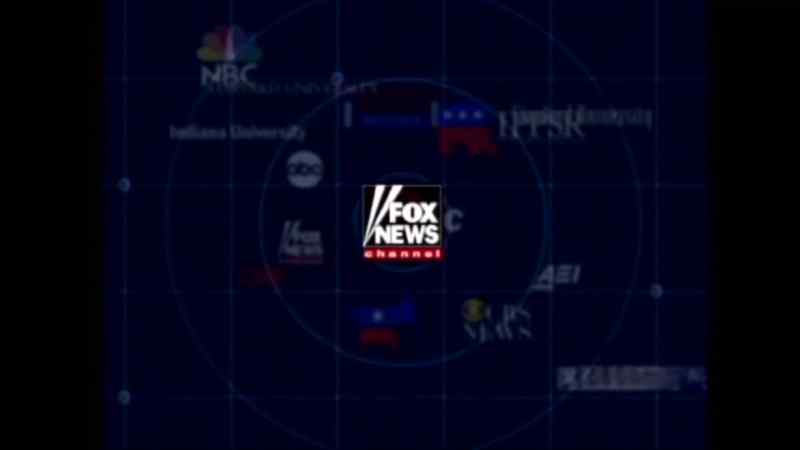
Woody Harrelson - Host: Media influence on public opinion has been studied for many years now. We know for example that the media often play what's called an agenda setting role. Public concern about issues tends to follow media coverage of those issues, rather than any changes in the real world." "The media create the impression of the American public has a real choice. You could choose Bush or you could choose Gore, the implication being that they are both very different. But on substantive budgetary or economic issues, the differences between them are really on the margins. Both leading Democrats and Republicans support a privatized health care system, they support corporate-backed global trade agreements, they support maintaining a co-board defense budget, and they generally favor the interests of big business.
Woody Harrelson - Host: But the media give the impression that Democrats and Republicans represent a broad range of opinion by focusing on civil liberty non-monetary issues like gay rights or abortion, where Democrats and Republicans really do differ. And this masks the degree of the lead consensus
Woody Harrelson - Host: But the media give the impression that Democrats and Republicans represent a broad range of opinion by focusing on civil liberty non-monetary issues like gay rights or abortion, where Democrats and Republicans really do differ. And this masks the degree of the lead consensus
Full Transcript
00:00:01.000 --> 00:00:02.066
Media influence on public opinion
00:00:02.066 --> 00:00:05.021
has been studied from many years now
00:00:05.021 --> 00:00:07.085
We know for example that the media often play what's called
00:00:07.085 --> 00:00:09.074
an agenda setting role
00:00:09.074 --> 00:00:11.086
Public concern about issues tends
00:00:11.086 --> 00:00:14.999
to follow media coverage of those issues
00:00:14.999 --> 00:00:16.005
rather than any changes in the real world
00:00:16.005 --> 00:00:18.088
The media create the impression that the American public
00:00:18.088 --> 00:00:20.036
has a real choice
00:00:20.036 --> 00:00:21.008
You can choose Bush or you can choose
00:00:21.008 --> 00:00:24.018
Gore the implication being that they're
00:00:24.018 --> 00:00:26.000
both very different
00:00:26.000 --> 00:00:29.002
But on substantive budgetary or economic issues
00:00:29.002 --> 00:00:32.036
the differences between them are really on the margins
00:00:32.036 --> 00:00:34.038
But is leading Democrats and Republicans
00:00:34.038 --> 00:00:36.082
support a privatized health care system
00:00:36.082 --> 00:00:39.058
They support corporate backed global trade agreements
00:00:39.058 --> 00:00:42.031
they support maintaining a Cold War defense budget
00:00:42.031 --> 00:00:46.014
and they generally favor the interests of big business
00:00:46.014 --> 00:00:48.012
But the media give the impression
00:00:48.012 --> 00:00:51.015
that Democrats and Republicans represent a broad range
00:00:51.015 --> 00:00:55.042
of opinion by focusing on civil liberty non monetary issues
00:00:55.042 --> 00:00:59.015
like gay rights or abortion where Democrats and Republicans
00:00:59.015 --> 00:01:00.059
really do differ
00:01:00.059 --> 00:01:04.999
And this masks the degree of elite consensus
Want This Clip in HD?
Upgrade for HD/4K downloads and unlimited access. Upgrade now →
Movie Summary
Hosted by twice Oscar nominated actor Woody Harrelson, Ethos explores the mechanisms in our systems that work against democracy, the environment and our own personal liberty.