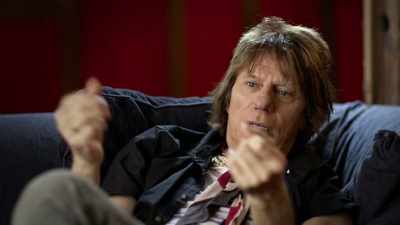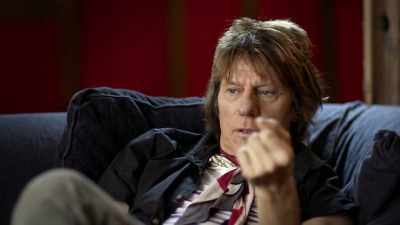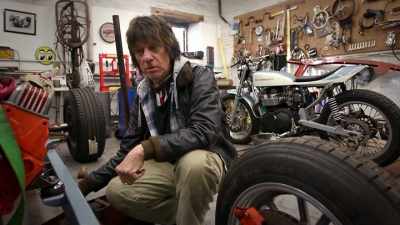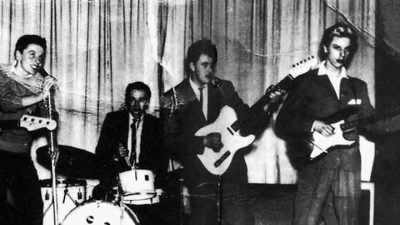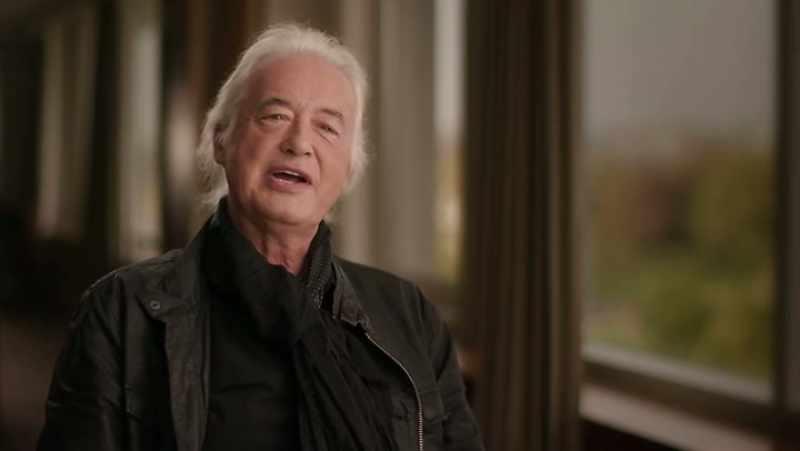

Well, he came round to my house. I was living at home, of course, with my parents. And...
Join the conversation
Log in or create an account to leave a comment
Log In
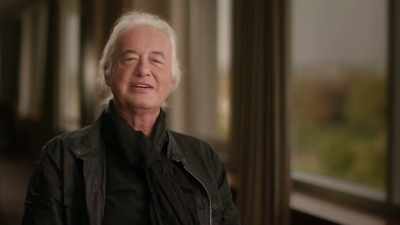
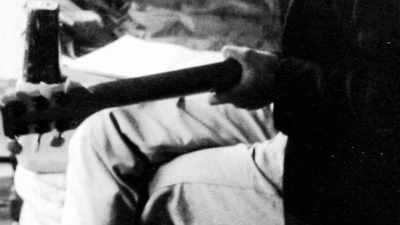
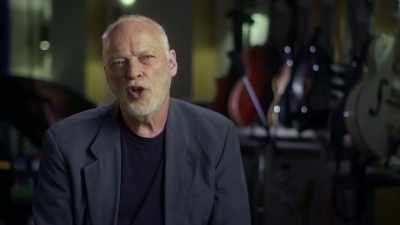
Jimmy Page, Himself: Well, he came round to my house. I was living at home, of course, with my parents. And Jeff came in and he had a homemade guitar. I also had a homemade guitar there as well. And we just sort of clicked immediately.
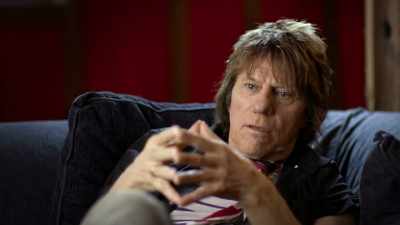
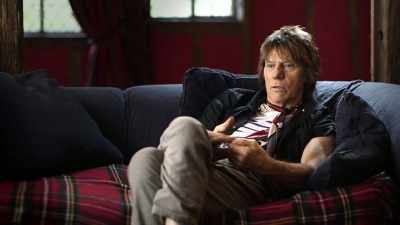
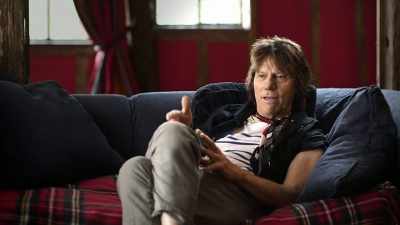
Jeff Beck, Himself: It was like two brothers, you know, almost. We had - we - it was just a joyous thing to find somebody else that had this common interests.
Jimmy Page, Himself: He'd come round and we'd sort of hang out and play records to him.
Jeff Beck, Himself: He had equipment. He had a tape recorder and all the goodies and a great record collection, mouthwatering collection.
Jimmy Page, Himself: I had such an eclectic mix of records, even as a teenager. It was a great adventure, finding other people who might know a different chord to yours. Finding a record shop where they were importing, say, Vee-Jay records, as opposed to the Chicago movement of the 50s, the blues movement, as opposed to all the Chess catalogue. There were lots of pilgrimages involved. And all of those guitarists, from that point, we were all learnt from records.
Jeff Beck, Himself: We used to sit there listening and go back over the solo, don't mind the song or the singer. What the hell is that going on? You know. How is this sounding like a ricochet effect? And why is it sounding so exciting?
Jimmy Page, Himself: You wanted to see if you could play what was on it. It was quite an accomplishment to hear something that was really, really, really amazing to you, that really moved you; but, then, really actually work towards being able to play it.
Jeff Beck, Himself: You've got a partner in crime. You've got somebody to hammer out ideas. When you've learned something that sounds reasonably impressive, you want somebody to see what they think of it.
Jimmy Page, Himself: We were really, really keen on exactly the same things - the Gene Vincent records and Ricky Nelson records. There were always fine guitar solos by James Burton. One. the things we would ask of each other was, "What's your version of 'My Babe'?" "Okay, yeah, what's your version?" That seemed to be a sort of communal ground between most guitarists, around that time, to see how - how well other guys could cut this solo
Jeff Beck, Himself: It was like two brothers, you know, almost. We had - we - it was just a joyous thing to find somebody else that had this common interests.
Jimmy Page, Himself: He'd come round and we'd sort of hang out and play records to him.
Jeff Beck, Himself: He had equipment. He had a tape recorder and all the goodies and a great record collection, mouthwatering collection.
Jimmy Page, Himself: I had such an eclectic mix of records, even as a teenager. It was a great adventure, finding other people who might know a different chord to yours. Finding a record shop where they were importing, say, Vee-Jay records, as opposed to the Chicago movement of the 50s, the blues movement, as opposed to all the Chess catalogue. There were lots of pilgrimages involved. And all of those guitarists, from that point, we were all learnt from records.
Jeff Beck, Himself: We used to sit there listening and go back over the solo, don't mind the song or the singer. What the hell is that going on? You know. How is this sounding like a ricochet effect? And why is it sounding so exciting?
Jimmy Page, Himself: You wanted to see if you could play what was on it. It was quite an accomplishment to hear something that was really, really, really amazing to you, that really moved you; but, then, really actually work towards being able to play it.
Jeff Beck, Himself: You've got a partner in crime. You've got somebody to hammer out ideas. When you've learned something that sounds reasonably impressive, you want somebody to see what they think of it.
Jimmy Page, Himself: We were really, really keen on exactly the same things - the Gene Vincent records and Ricky Nelson records. There were always fine guitar solos by James Burton. One. the things we would ask of each other was, "What's your version of 'My Babe'?" "Okay, yeah, what's your version?" That seemed to be a sort of communal ground between most guitarists, around that time, to see how - how well other guys could cut this solo
Full Transcript
00:00:01.000 --> 00:00:02.701
Well he came round to my house
00:00:02.835 --> 00:00:05.017
I was living at home of course with my parents
00:00:05.471 --> 00:00:08.073
and Jeff came in and he had a homemade guitar
00:00:08.207 --> 00:00:10.743
and I also had a homemade guitar there as well
00:00:11.277 --> 00:00:13.545
And we just sort of clicked immediately
00:00:13.679 --> 00:00:18.999
It was like two brothers almost
00:00:18.851 --> 00:00:20.386
It was just a joyous thing
00:00:20.519 --> 00:00:22.855
to find somebody else who had this common interest
00:00:23.998 --> 00:00:25.491
He'd come round and we'd hang out
00:00:25.624 --> 00:00:27.126
and I'd play records to him
00:00:27.326 --> 00:00:29.828
He had equipment he had a tape recorder
00:00:29.962 --> 00:00:32.564
all the goodies and a great record collection
00:00:33.999 --> 00:00:34.566
Mouth watering collection
00:00:34.007 --> 00:00:38.007
I had such an eclectic mix of records even as a teenager
00:00:38.637 --> 00:00:40.673
It was a great adventure
00:00:40.806 --> 00:00:43.742
finding other people who might know a different chord to you
00:00:43.876 --> 00:00:45.244
or finding a record shop
00:00:45.377 --> 00:00:48.714
where they were importing say Vee Jay records
00:00:48.847 --> 00:00:52.851
the Chicago movement of the 50s the Blues movement
00:00:52.985 --> 00:00:54.987
as opposed to all the Chess catalogue
00:00:55.012 --> 00:00:57.856
There was lots of pilgrimages involved
00:00:58.824 --> 00:01:00.693
All of those guitarists from that point
00:01:00.826 --> 00:01:02.394
we all learnt from records
00:01:02.594 --> 00:01:05.664
We used to sit there listening and go back over the solo
00:01:05.798 --> 00:01:07.008
never mind the song never mind the singer
00:01:08.167 --> 00:01:10.169
What the hell's that going on
00:01:10.636 --> 00:01:13.572
How is this sounding like a ricochet effect
00:01:14.373 --> 00:01:16.997
Why does it sound so exciting
00:01:16.175 --> 00:01:18.001
You wanted to see if you could play what was on
00:01:18.001 --> 00:01:20.946
It's quite an accomplishment to hear something
00:01:21.998 --> 00:01:23.315
that's really really really amazing to you
00:01:23.449 --> 00:01:24.001
and really moved you
00:01:24.783 --> 00:01:27.419
but then really actually work towards being able to play it
00:01:27.553 --> 00:01:28.999
You've got a partner in crime
00:01:29.121 --> 00:01:31.089
you've got somebody to hammer out ideas
00:01:32.001 --> 00:01:33.999
When you've learnt something
00:01:33.492 --> 00:01:35.002
that sounds reasonably impressive
00:01:35.194 --> 00:01:37.999
you want somebody to see what they think of it
00:01:37.663 --> 00:01:41.007
We were really keen on exactly the same things
00:01:41.834 --> 00:01:45.504
with the Gene Vincent records and Ricky Nelson records
00:01:45.637 --> 00:01:48.941
There were always fine guitar solos by James Burton
00:01:49.998 --> 00:01:52.444
and one of the things that we would ask of each other was
00:01:52.745 --> 00:01:54.048
What's your version of 'My Babe'
00:01:54.613 --> 00:01:55.914
OK yeah what's yours
00:01:58.384 --> 00:02:00.652
That seemed to be a sort of a communal ground
00:02:00.786 --> 00:02:03.122
between most guitarists around that time
00:02:03.255 --> 00:02:06.001
to see how well other guys could cut this solo
Want This Clip in HD?
Upgrade for HD/4K downloads and unlimited access. Upgrade now →
Movie Summary
Documentary on the life and musical evolution of Jeff Beck, one of most innovative guitarists in history. The film covers his early days, his tenure with The Yardbirds and The Jeff Beck Group, and his subsequent projects over the ...