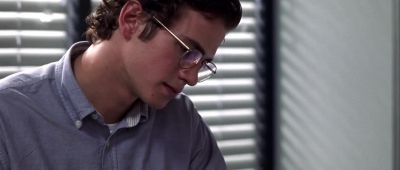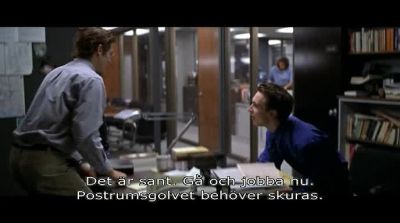

On a story like that, your notes are crucial. You have to record everything you see and...
Join the conversation
Log in or create an account to leave a comment
Log In
Stephen Glass:
[to the students]
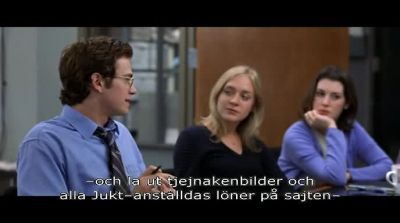
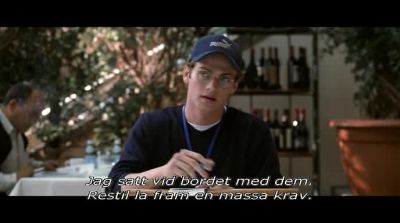
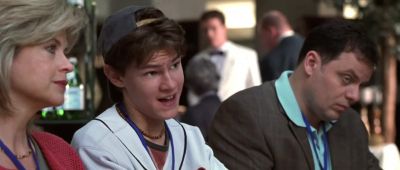
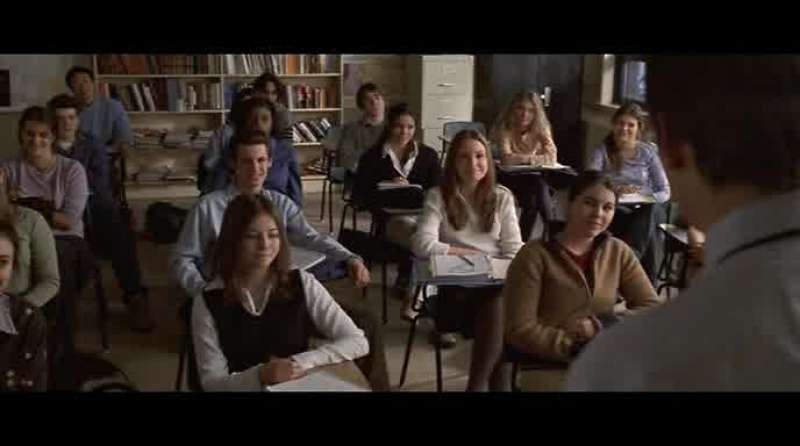
There are 16,800 magazines in this country. But only one calls itself the in-flight magazine of Air Force One. And that's the thrill of working at The New Republic. You're underpaid, the hours are brutal, but what you write gets read by people who matter. Presidents, lawmakers. Your work can actually influence public policy. That's... that's an amazing privilege. And a huge responsibility. I'm sorry, they don't want to hear the whole journalistic responsibility speech. Do you? You just want to know how to get your name in print, right? Sounds familiar. OK. Let me take you through the life of your typical piece, so you can see where some of the hurdles are. We'll use one I wrote last year about a bunch of young Republicans at a conservatives convention. Now, journalism is about pursuing the truth and I would never encourage you to do anything sneaky or dishonest in pursuit of a story. Such as assuming a phony identity. [Referring to his article "Spring Breakdown"] Stephen Glass:
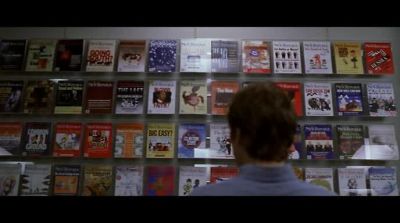
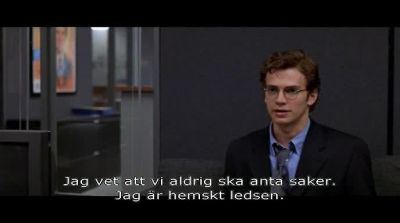
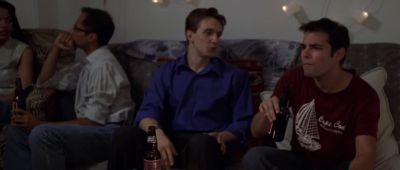
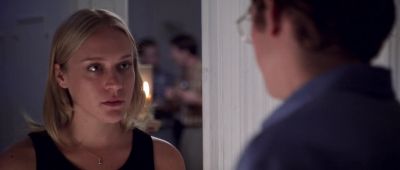
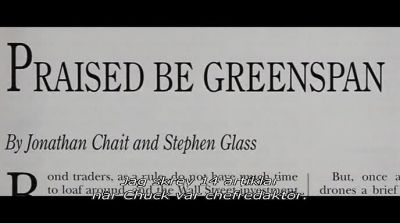
On a story like that, your notes are crucial. You have to record everything you see and hear. Every quote, every detail. All the way down to the mini-bottles in the fridge
[to the students]
There are 16,800 magazines in this country. But only one calls itself the in-flight magazine of Air Force One. And that's the thrill of working at The New Republic. You're underpaid, the hours are brutal, but what you write gets read by people who matter. Presidents, lawmakers. Your work can actually influence public policy. That's... that's an amazing privilege. And a huge responsibility. I'm sorry, they don't want to hear the whole journalistic responsibility speech. Do you? You just want to know how to get your name in print, right? Sounds familiar. OK. Let me take you through the life of your typical piece, so you can see where some of the hurdles are. We'll use one I wrote last year about a bunch of young Republicans at a conservatives convention. Now, journalism is about pursuing the truth and I would never encourage you to do anything sneaky or dishonest in pursuit of a story. Such as assuming a phony identity. [Referring to his article "Spring Breakdown"] Stephen Glass:
On a story like that, your notes are crucial. You have to record everything you see and hear. Every quote, every detail. All the way down to the mini-bottles in the fridge
Full Transcript
00:00:01.000 --> 00:00:02.249
In this area
00:00:02.319 --> 00:00:04.611
It's a long story
00:00:04.068 --> 00:00:08.812
It can't be a bad one if it ended up in this neighborhood
00:00:10.305 --> 00:00:13.812
Um I'm kind of locked in the lab my whole life
00:00:13.881 --> 00:00:16.066
and I'm just wondering could I observe
00:00:16.729 --> 00:00:18.465
I mean I won't touch anything I promise
00:00:18.535 --> 00:00:21.972
Yeah sure I guess so
00:00:22.041 --> 00:00:25.514
Um you know what put these on just in case
00:00:25.582 --> 00:00:26.938
Okay
00:00:27.002 --> 00:00:28.291
Where are you going to start
00:00:28.361 --> 00:00:31.066
Patrol said somebody hit the intercom
00:00:31.728 --> 00:00:33.533
You think the killer did it
00:00:33.603 --> 00:00:35.201
Maybe
Want This Clip in HD?
Upgrade for HD/4K downloads and unlimited access. Upgrade now →
Movie Summary
The story of a young journalist who fell from grace when it was discovered he fabricated over half of his articles from the publication The New Republic magazine.
Actors
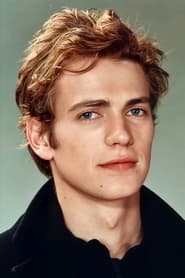
Stephen Glass