
Join the conversation
Log in or create an account to leave a comment
Log In
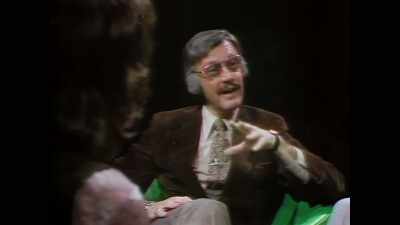
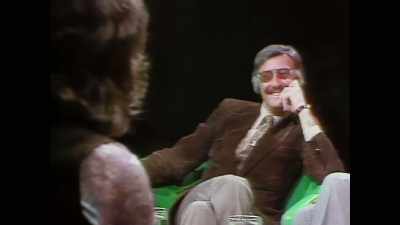
It occurred to us that what we do
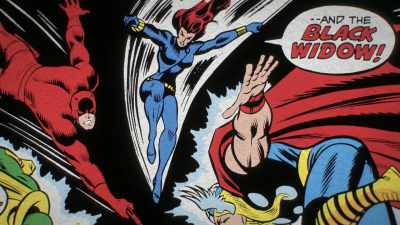
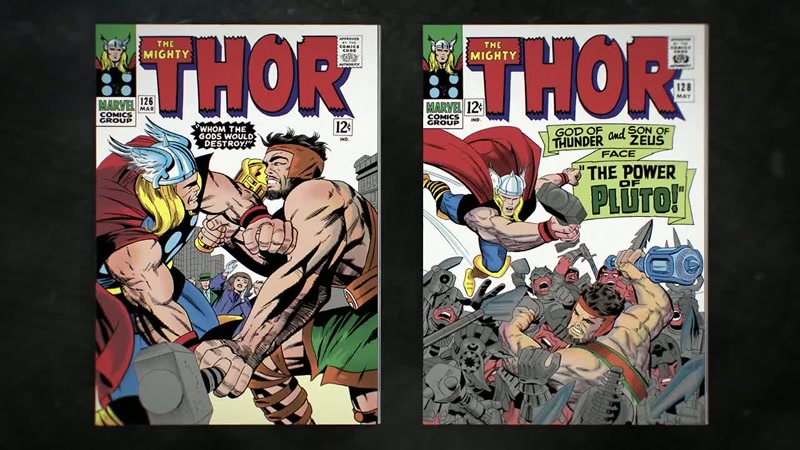
is we create our own mythology, and we create our own universes. One thing I think that we've innovated
that has been pretty successful is overlapping characters and books. It's like a repertory theatre,
where you've got your actors and you know what they can do,
and you can use them as needed. Once we have our cast of characters,
whether heroes or villains, it makes it easier for us to base stories, but we do it because it seems to me that you enjoy things you're familiar with, and the readers eventually
get to know these characters, and they're interested in these characters
and why just get rid of them? If we have a villain
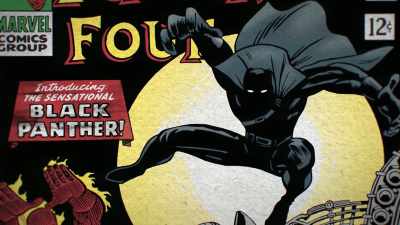
who fought the Fantastic Four, why shouldn't he eventually meet
another one of our heroes? Or why shouldn't our heroes meet,
as they often do, and guest star in each other's book? Because, according to the gospel
as preached by Marvel, they all live in the same world
is we create our own mythology, and we create our own universes. One thing I think that we've innovated
that has been pretty successful is overlapping characters and books. It's like a repertory theatre,
where you've got your actors and you know what they can do,
and you can use them as needed. Once we have our cast of characters,
whether heroes or villains, it makes it easier for us to base stories, but we do it because it seems to me that you enjoy things you're familiar with, and the readers eventually
get to know these characters, and they're interested in these characters
and why just get rid of them? If we have a villain
who fought the Fantastic Four, why shouldn't he eventually meet
another one of our heroes? Or why shouldn't our heroes meet,
as they often do, and guest star in each other's book? Because, according to the gospel
as preached by Marvel, they all live in the same world
Full Transcript
00:00:01.000 --> 00:00:04.461
It occurred to us that what we do
is we create our own mythology,
00:00:04.461 --> 00:00:06.038
and we create our own universes.
00:00:07.423 --> 00:00:11.051
One thing I think that we've innovated
that has been pretty successful
00:00:11.051 --> 00:00:14.513
is overlapping characters and books.
00:00:15.999 --> 00:00:18.559
It's like a repertory theatre,
where you've got your actors
00:00:18.559 --> 00:00:22.354
and you know what they can do,
and you can use them as needed.
00:00:22.073 --> 00:00:27.234
Once we have our cast of characters,
whether heroes or villains,
00:00:27.234 --> 00:00:29.082
it makes it easier for us to base stories,
00:00:30.112 --> 00:00:32.239
but we do it because it seems to me that
00:00:32.865 --> 00:00:35.284
you enjoy things you're familiar with,
00:00:35.284 --> 00:00:38.537
and the readers eventually
get to know these characters,
00:00:38.537 --> 00:00:42.541
and they're interested in these characters
and why just get rid of them?
00:00:42.541 --> 00:00:45.961
If we have a villain
who fought the Fantastic Four,
00:00:45.961 --> 00:00:49.999
why shouldn't he eventually meet
another one of our heroes?
00:00:49.999 --> 00:00:52.176
Or why shouldn't our heroes meet,
as they often do,
00:00:52.176 --> 00:00:53.927
and guest star in each other's book?
00:00:53.927 --> 00:00:58.001
Because, according to the gospel
as preached by Marvel,
00:00:58.001 --> 00:00:59.767
they all live in the same world.
Want This Clip in HD?
Upgrade for HD/4K downloads and unlimited access. Upgrade now →
Movie Summary
100 years of dreaming. 100 years of creating. 100 years of Stan Lee.