
Join the conversation
Log in or create an account to leave a comment
Log In
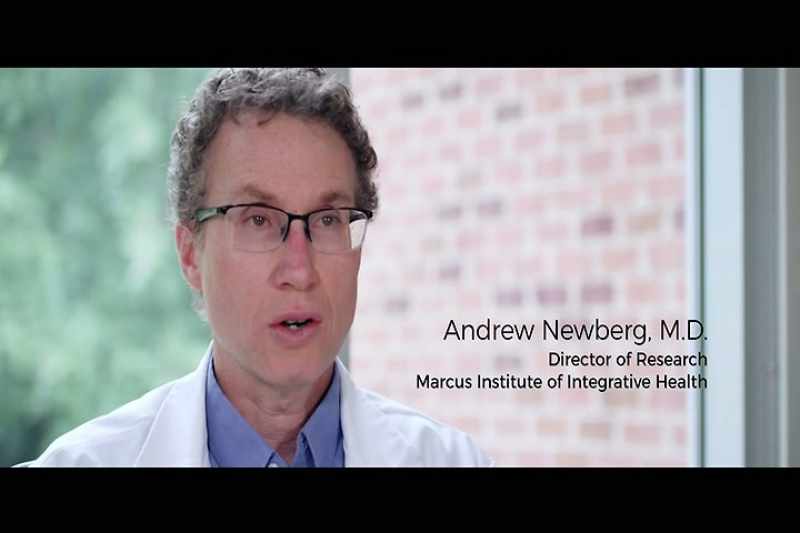
The main finding
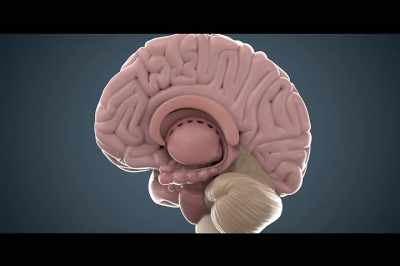
that we really had was that these areas
of the limbic system, particularly the, what's
called the parahippocampus, which is very involved in our
sort of traumatic memories and emotional, our negative
emotional responses, this was an area that was
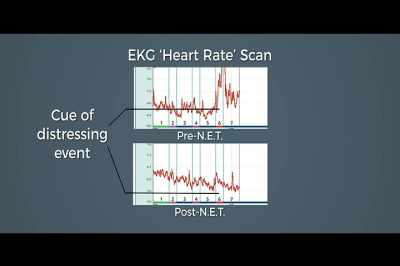
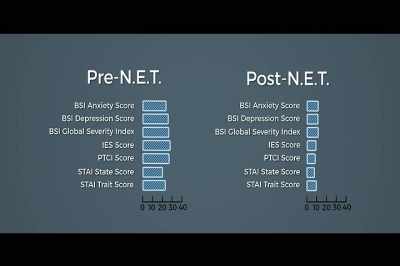
far more active initially and then after undergoing
the NET program, suddenly didn't really
react very much
that we really had was that these areas
of the limbic system, particularly the, what's
called the parahippocampus, which is very involved in our
sort of traumatic memories and emotional, our negative
emotional responses, this was an area that was
far more active initially and then after undergoing
the NET program, suddenly didn't really
react very much
Full Transcript
00:00:01.000 --> 00:00:02.958
- The main finding
that we really had
00:00:03.998 --> 00:00:05.007
was that these areas
of the limbic system,
00:00:05.743 --> 00:00:08.529
particularly the, what's
called the parahippocampus,
00:00:08.572 --> 00:00:11.184
which is very involved in our
sort of traumatic memories
00:00:11.227 --> 00:00:14.448
and emotional, our negative
emotional responses,
00:00:14.491 --> 00:00:18.321
this was an area that was
far more active initially
00:00:18.365 --> 00:00:21.368
and then after undergoing
the NET program,
00:00:21.411 --> 00:00:24.153
suddenly didn't really
react very much.
Want This Clip in HD?
Upgrade for HD/4K downloads and unlimited access. Upgrade now →
Movie Summary
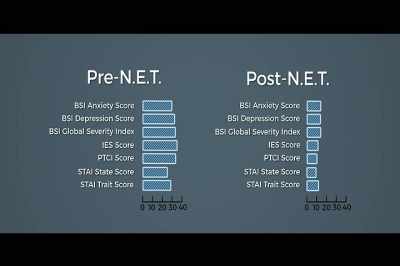
A history on stress is followed by examples of what causes it and what are the effects and the different ways of viewing it. Neuro Emotional Technique/N.E.T. is introduced as treatment for stress and examples of results are given.