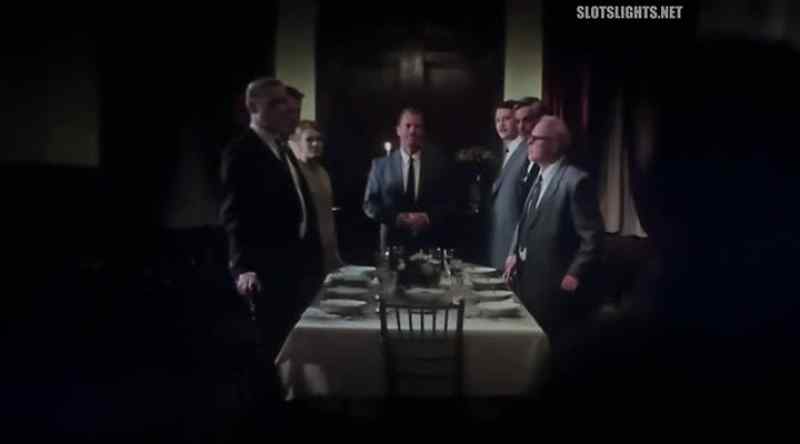

My uncle is, above all, a principled artist. His lifelong ambition was not only to define...
Join the conversation
Log in or create an account to leave a comment
Log In
[last lines]
Older Zsofia: My uncle is, above all, a principled artist. His lifelong ambition was not only to define an epoch but to transcend all time. In his memoirs, he described his designs as machines with no superfluous parts, that at their best, at his best, possessed an immoveable core; a "Hard Core of Beauty." A way of directing their inhabitant's perception to the world as it is. The inherent laws of concrete things such as mountains and rock define them. They indicate nothing. They tell nothing. They simply are. Born in 1911 in a small fishing village in Austria-Hungary, László Toth looked out upon the Adriatic Sea. He was a boy with eyes wide open, full of yearning. New borders would eventually rip this expanse of sea away from him but never did he cease to try and fill its void. Forty years later, he survived the camps at Buchenwald, as did his late wife, and myself, in Dachau. His first American masterpiece, the Van Buren institute outside of Philadelphia, remained unfinished until 1973. The building referenced his time at Buchenwald as well as the deeply felt absence of his wife, my Aunt Erzsébet. For this project, he re-imagined the camp's claustrophobic interior cells with precisely the same dimensions as his own place of imprisonment, save for one electrifying exception; when visitors looked 20 meters upwards, the dramatic heights of the glass above them invited free thought; freedom of identity. He further re-imagined Buchenwald and his wife's venue of imprisonment in Dachau on the same grounds, connected by a myriad of secret corridors re-writing their history and transcending space and time so that he and Erzsébet would never be apart again. Uncle, you and Aunt Erzsébet once spoke for me, I speak for you now, and I am honored. "Don't let anyone fool you, Zsófia" he would say to me as a struggling young mother raising my daughter during our first years in Jerusalem, "no matter what the others try and sell you, it is the destination, not the journey." Thank you
Older Zsofia: My uncle is, above all, a principled artist. His lifelong ambition was not only to define an epoch but to transcend all time. In his memoirs, he described his designs as machines with no superfluous parts, that at their best, at his best, possessed an immoveable core; a "Hard Core of Beauty." A way of directing their inhabitant's perception to the world as it is. The inherent laws of concrete things such as mountains and rock define them. They indicate nothing. They tell nothing. They simply are. Born in 1911 in a small fishing village in Austria-Hungary, László Toth looked out upon the Adriatic Sea. He was a boy with eyes wide open, full of yearning. New borders would eventually rip this expanse of sea away from him but never did he cease to try and fill its void. Forty years later, he survived the camps at Buchenwald, as did his late wife, and myself, in Dachau. His first American masterpiece, the Van Buren institute outside of Philadelphia, remained unfinished until 1973. The building referenced his time at Buchenwald as well as the deeply felt absence of his wife, my Aunt Erzsébet. For this project, he re-imagined the camp's claustrophobic interior cells with precisely the same dimensions as his own place of imprisonment, save for one electrifying exception; when visitors looked 20 meters upwards, the dramatic heights of the glass above them invited free thought; freedom of identity. He further re-imagined Buchenwald and his wife's venue of imprisonment in Dachau on the same grounds, connected by a myriad of secret corridors re-writing their history and transcending space and time so that he and Erzsébet would never be apart again. Uncle, you and Aunt Erzsébet once spoke for me, I speak for you now, and I am honored. "Don't let anyone fool you, Zsófia" he would say to me as a struggling young mother raising my daughter during our first years in Jerusalem, "no matter what the others try and sell you, it is the destination, not the journey." Thank you
Full Transcript
00:00:01.000 --> 00:00:06.438
My uncle is above all a principled artist
00:00:08.974 --> 00:00:14.999
His lifelong ambition was not only to define an epoch
00:00:14.999 --> 00:00:16.001
but to transcend all time
00:00:17.065 --> 00:00:22.188
In his memoirs he described his designs as machines
00:00:22.188 --> 00:00:24.557
with no superfluous parts
00:00:24.557 --> 00:00:29.461
That at their best at his best
00:00:30.696 --> 00:00:33.666
possessed an immoveable core
00:00:33.666 --> 00:00:36.702
a hard core of beauty
00:00:36.702 --> 00:00:40.973
A way of directing their inhabitants' perception
00:00:40.973 --> 00:00:43.342
into the world as it is
00:00:43.342 --> 00:00:46.003
The inherent laws of concrete things
00:00:46.003 --> 00:00:50.001
such as mountains and rock define them
00:00:50.001 --> 00:00:52.418
They indicate nothing
00:00:52.418 --> 00:00:54.287
They tell nothing
00:00:54.287 --> 00:00:56.188
They simply are
00:00:56.188 --> 00:00:58.019
Born in 1911
00:00:58.019 --> 00:01:00.096
in a small fishing village in Austria Hungary
00:01:00.096 --> 00:01:04.001
L szl T th looked out upon the Adriatic Sea
00:01:04.001 --> 00:01:08.301
He was a boy with eyes wide open full of yearning
00:01:08.301 --> 00:01:10.997
New borders would eventually
00:01:10.997 --> 00:01:13.239
rip this expanse of sea away from him
00:01:13.239 --> 00:01:17.643
but never did he stop to try and fill its void
00:01:17.643 --> 00:01:21.006
Forty years later he survived the camp at Buchenwald
00:01:21.006 --> 00:01:24.075
as did his late wife and myself in Dachau
00:01:24.075 --> 00:01:27.152
His first American masterpiece
00:01:27.152 --> 00:01:30.489
the Van Buren Institute outside of Philadelphia
00:01:30.489 --> 00:01:34.126
remained unfinished until 1973
00:01:34.126 --> 00:01:37.999
The building referenced his time at Buchenwald
00:01:37.999 --> 00:01:42.001
as well as the deeply felt absence of his wife
00:01:42.001 --> 00:01:44.703
my aunt Erzs bet
00:01:45.001 --> 00:01:47.999
For this project
00:01:47.999 --> 00:01:51.744
he re imagined the camp's claustrophobic interior cells
00:01:51.744 --> 00:01:54.999
with precisely the same dimensions
00:01:54.999 --> 00:01:56.916
as his own place of imprisonment
00:01:56.916 --> 00:02:00.005
save for one electrifying exception
00:02:01.754 --> 00:02:05.019
When visitors looked 20 meters upwards
00:02:05.019 --> 00:02:08.827
the dramatic heights of the glass roof above them
00:02:08.827 --> 00:02:12.993
invited free thought freedom of identity
00:02:12.993 --> 00:02:15.994
He further re imagined Buchenwald
00:02:15.994 --> 00:02:19.339
and his wife's venue of imprisonment Dachau
00:02:19.339 --> 00:02:20.001
on the same grounds
00:02:22.001 --> 00:02:25.511
connected by a myriad of secret corridors
00:02:25.511 --> 00:02:30.999
re writing their history transcending space and time
00:02:30.999 --> 00:02:33.999
so that he and Erzs bet would never be apart again
00:02:35.999 --> 00:02:37.991
Uncle
00:02:38.691 --> 00:02:41.016
you and Aunt Erzs bet once spoke for me
00:02:41.016 --> 00:02:45.298
I speak for you now and am honored
00:02:45.298 --> 00:02:48.999
Don't let anyone fool you Zs fia he would say to me
00:02:48.999 --> 00:02:52.999
as a struggling young mother raising my daughter
00:02:52.999 --> 00:02:56.001
during our first years in Jerusalem
00:02:56.001 --> 00:02:59.001
No matter what the others try and sell you
00:03:00.946 --> 00:03:05.011
it is the destination not the journey
00:03:05.011 --> 00:03:08.012
ONE FOR YOU ONE FOR ME BY LA BIONDA PLAYING
00:03:08.012 --> 00:03:09.221
Thank you
Want This Clip in HD?
Upgrade for HD/4K downloads and unlimited access. Upgrade now →
Movie Summary
When a visionary architect and his wife flee post-war Europe in 1947 to rebuild their legacy and witness the birth of modern United States, their lives are changed forever by a mysterious, wealthy client.