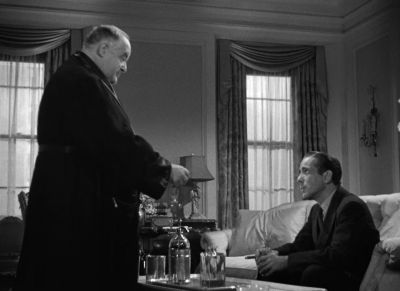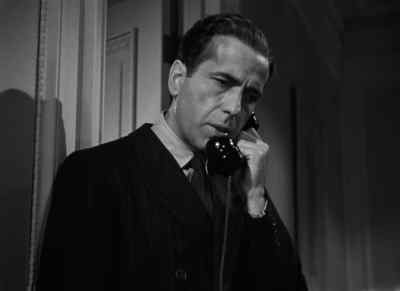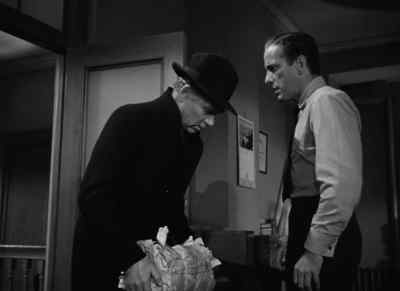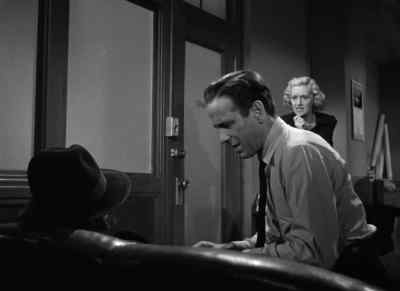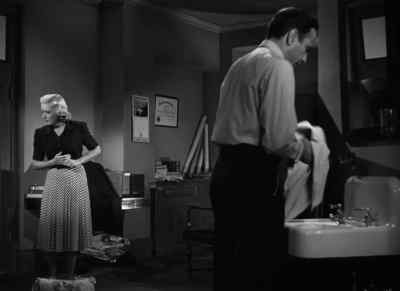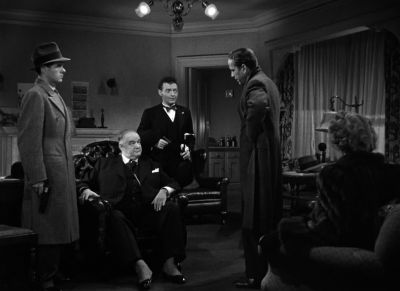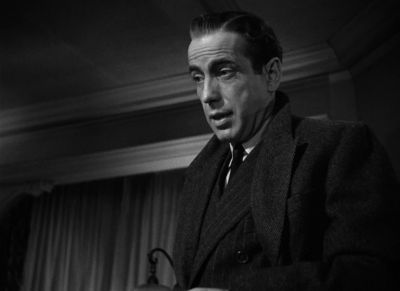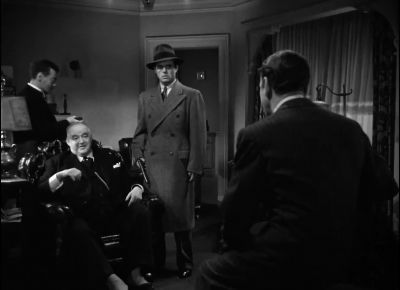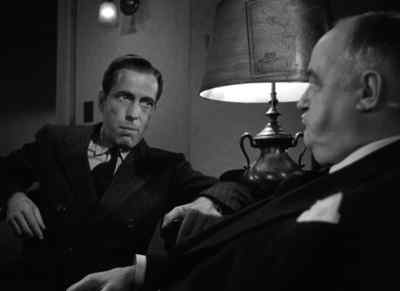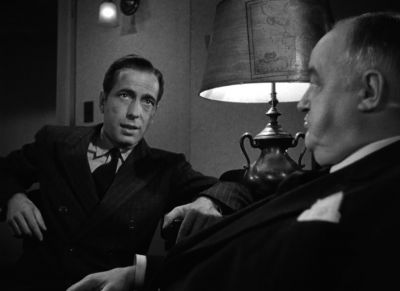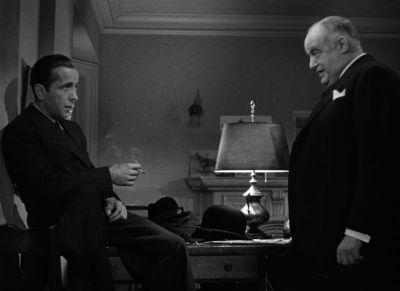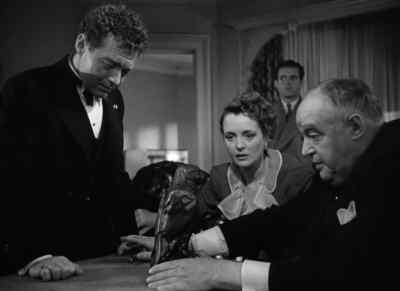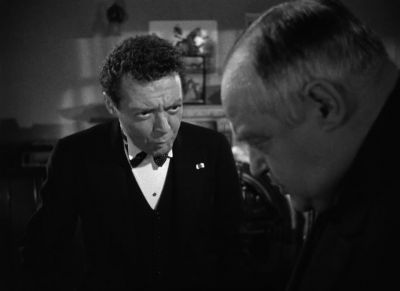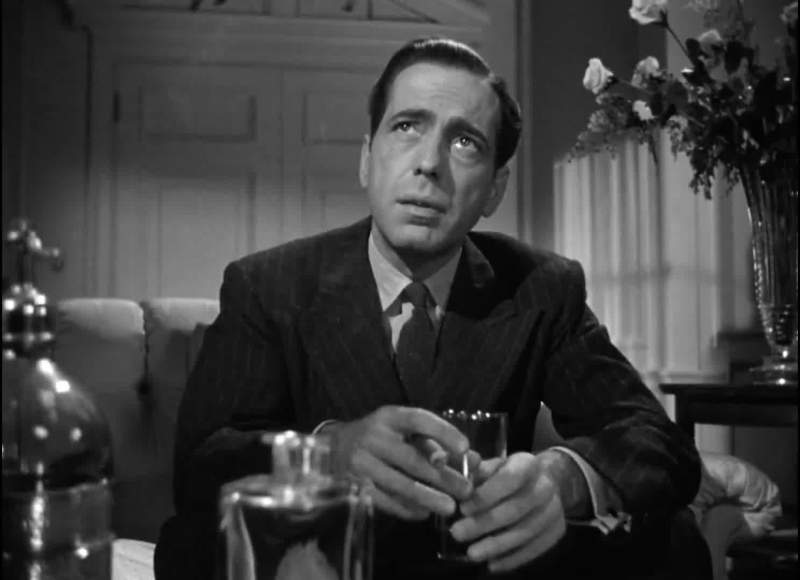

These are facts, sir. Not school book history, not Mr. Wells's history, but history...
Join the conversation
Log in or create an account to leave a comment
Log In
Kasper Gutman:
This is going to be the most astounding thing you have ever heard of, sir, and I say that knowing that a man of your caliber, in your profession, must have known some astounding things in his time. What do you know, sir, about the Order of the Hospital of St. John of Jerusalem, later known as The Knights of Rhodes and other things? Sam Spade:
Crusaders or something, weren't they? Kasper Gutman:
Very good. In 1539, these crusading knights persuaded the Emperor Charles V to give them the island of Malta. He made them but one condition: They were to pay him, each year, the tribute of one falcon, in acknowledgment that Malta was still under Spain. Do you have any conception of the extreme, the immeasurable wealth of the Order at that time? Sam Spade:
I imagine they were pretty well fixed Kasper Gutman:
Pretty well is putting it mildly. They were rolling in wealth, sir. For years they had taken from the East, nobody knows what spoils of gems, of precious metals, silks, ivories, sir. We all know that the Holy Wars were to them largely a matter of loot. The Knights were profoundly grateful to the Emperor Charles for his generosity toward them. They hit upon the happy thought of sending him for the first year's tribute, not an insignificant live bird, but a glorious golden falcon, encrusted from head to feet with the finest jewels in their coffers. Well, sir, what do you think of that? Sam Spade:
I don't know. Kasper Gutman:
These are facts, sir. Not school book history, not Mr. Wells's history, but history nevertheless. They sent this foot-high jeweled bird to Charles, who was Then in Spain. They sent it in a galley commanded by a member of the Order. It never reached Spain. A famous admiral of buccaneers took the Knight's galley and the bird. In 1713 it turned up in Sicily. In 1840 it appeared in Paris. It had by then acquired a coat of black enamel so that it looked like nothing more than a fairly interesting black statuette. In that disguise, sir, it was, you might say, kicked around Paris for more than three score years, by private owners too stupid to see what it was under the skin... Then in 1923, a Greek dealer named Charilaos Konstantinides found it in an obscure shop. No thickness of enamel could conceal value from his eyes. You begin to believe me a little?
This is going to be the most astounding thing you have ever heard of, sir, and I say that knowing that a man of your caliber, in your profession, must have known some astounding things in his time. What do you know, sir, about the Order of the Hospital of St. John of Jerusalem, later known as The Knights of Rhodes and other things? Sam Spade:
Crusaders or something, weren't they? Kasper Gutman:
Very good. In 1539, these crusading knights persuaded the Emperor Charles V to give them the island of Malta. He made them but one condition: They were to pay him, each year, the tribute of one falcon, in acknowledgment that Malta was still under Spain. Do you have any conception of the extreme, the immeasurable wealth of the Order at that time? Sam Spade:
I imagine they were pretty well fixed Kasper Gutman:
Pretty well is putting it mildly. They were rolling in wealth, sir. For years they had taken from the East, nobody knows what spoils of gems, of precious metals, silks, ivories, sir. We all know that the Holy Wars were to them largely a matter of loot. The Knights were profoundly grateful to the Emperor Charles for his generosity toward them. They hit upon the happy thought of sending him for the first year's tribute, not an insignificant live bird, but a glorious golden falcon, encrusted from head to feet with the finest jewels in their coffers. Well, sir, what do you think of that? Sam Spade:
I don't know. Kasper Gutman:
These are facts, sir. Not school book history, not Mr. Wells's history, but history nevertheless. They sent this foot-high jeweled bird to Charles, who was Then in Spain. They sent it in a galley commanded by a member of the Order. It never reached Spain. A famous admiral of buccaneers took the Knight's galley and the bird. In 1713 it turned up in Sicily. In 1840 it appeared in Paris. It had by then acquired a coat of black enamel so that it looked like nothing more than a fairly interesting black statuette. In that disguise, sir, it was, you might say, kicked around Paris for more than three score years, by private owners too stupid to see what it was under the skin... Then in 1923, a Greek dealer named Charilaos Konstantinides found it in an obscure shop. No thickness of enamel could conceal value from his eyes. You begin to believe me a little?
Full Transcript
Want This Clip in HD?
Upgrade for HD/4K downloads and unlimited access. Upgrade now →
Movie Summary
San Francisco private detective Sam Spade takes on a case that involves him with three eccentric criminals, a gorgeous liar, and their quest for a priceless statuette, with the stakes rising after his partner is murdered.
Actors
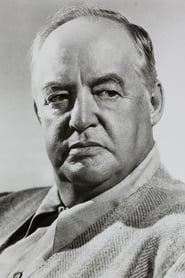
Kasper Gutman

Sam Spade